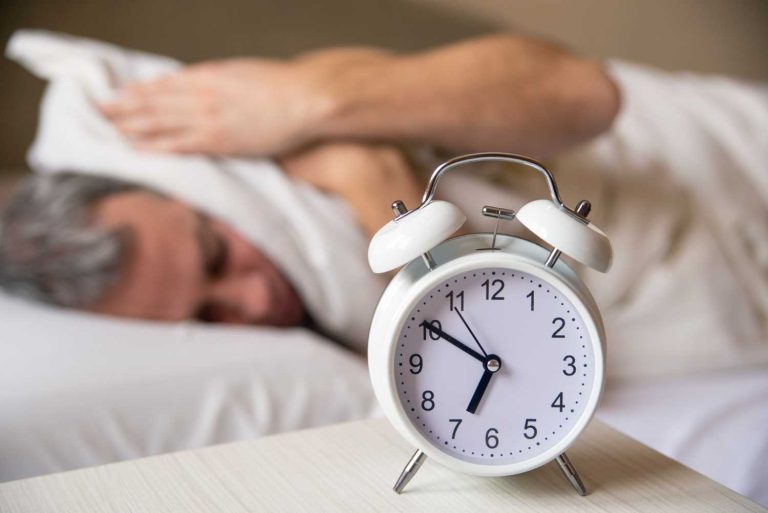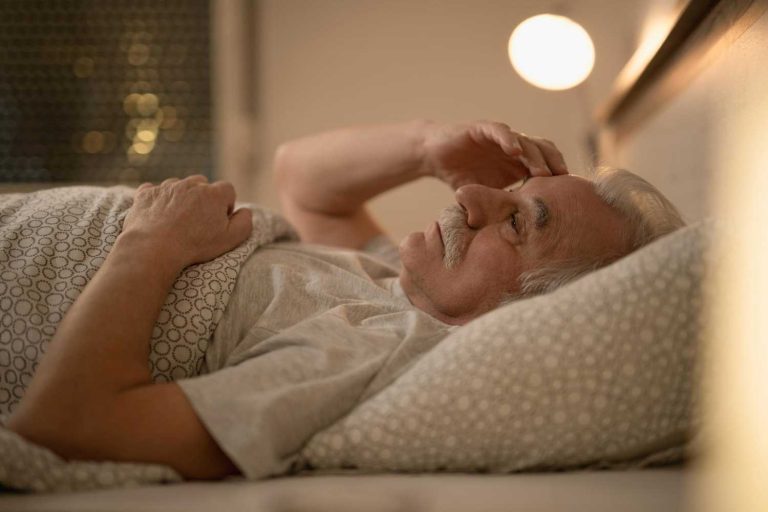
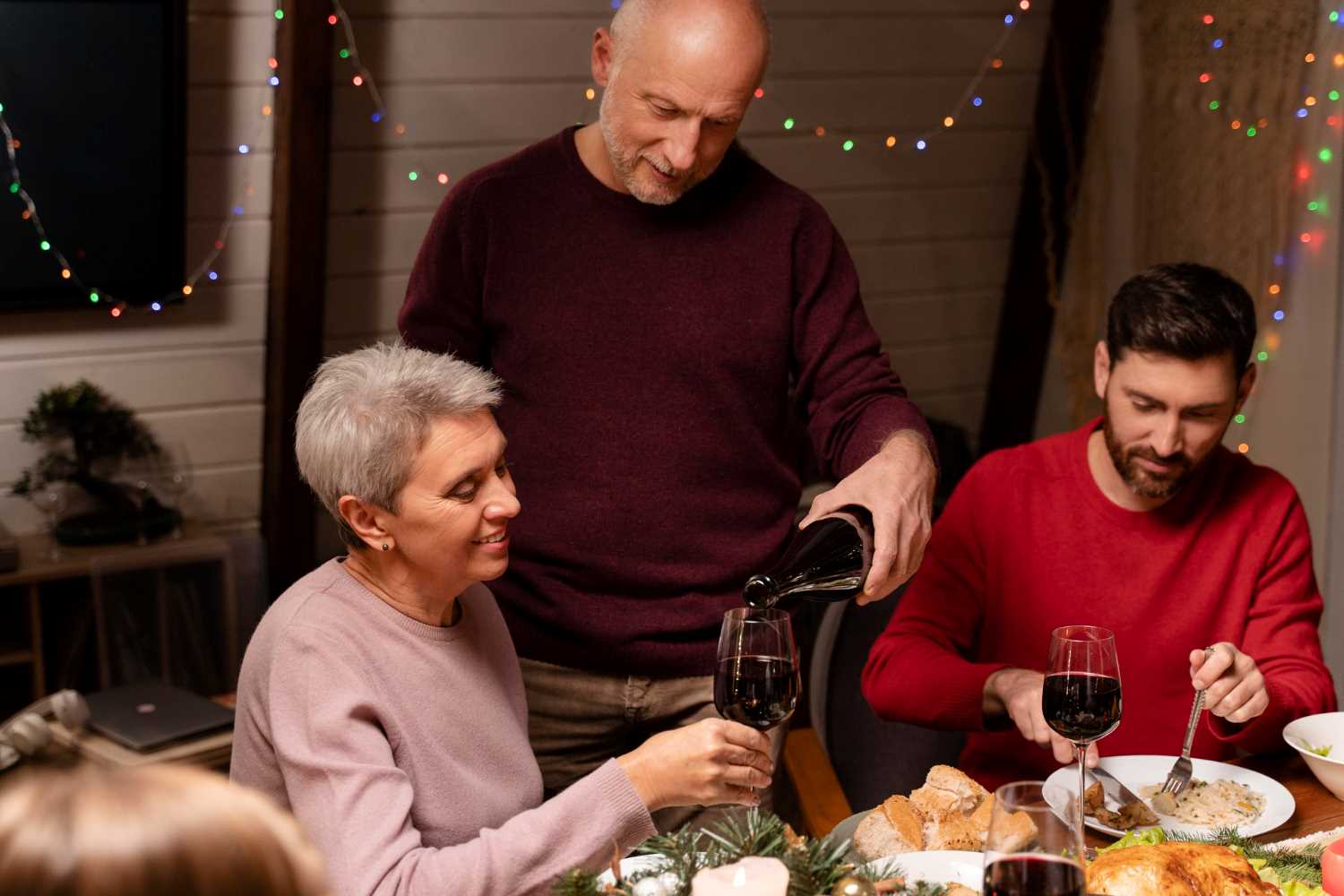
Christmas is known to be a period of comfort. Christmas eating is normally about comfort foods, long lunches turning into late dinners etc. Still, for many people past the age of 45, some subtle changes occur in conjunction with their holiday eating habits. The sleep stages become lighter. Falling asleep takes longer. It is more common or seems more frequent to wake up during the night. And mornings just feel heavier…
If you’ve noticed that your eating patterns over Christmas have led to you being restless at night, you are right to feel that something is wrong.
As we move through midlife, the body responds in a different manner to eating, blood sugar, hormones, and so on. What once passed unnoticed may now, for example, in midlife will have a definite effect on the quality of your sleep. Christmas eating habits, along with associated stress and disturbed patterns of sleep can affect you in various ways. Routines, which can quietly affect the quality of your sleep.
How Christmas Eating Affects the Over 45s
1. More filling foods take longer to digest
With age, gastric emptying also slows down and the enzymes secreted are fewer quantities. Binge eating large quantities of food in the late afternoon ensures the digestion process remains prominent well into the night, thereby avoiding the body from fully transitioning to the rest state.
2. Variations in blood sugar levels become more problematic
Christmas diets often include refined carbs, desserts and alcoholic drinks. These foods can cause sharp blood sugar spikes followed by sudden drops, triggering night-time awakenings, sweating and vivid dreams. People over 45 years old may see diminished insulin sensitivity and this variation may become more evident.
3. Late eating pushes back your body clock
Late eating delays your body clock. Eating close to bedtime sends signals to the brain that it is still daytime. This delays melatonin release, the hormone that supports sleep onset. Because melatonin production naturally declines with age, late festive meals can have a stronger impact on sleep timing.
4. Alcohol accelerates
Alcohol might make one feel calm, although it tends to break up sleep. It suppresses REM sleep and increases lighter sleep stages, leading to more frequent awakenings. Combined with the heavy eating commonly associated with Christmas eating habits, this effect will become more evident.
5. Increased inflammation affects sleep quality
Rich, processed foods can increase low-grade inflammation in the body. Research has linked inflammation with poorer sleep depth and reduced restorative sleep, especially in midlife.
How to Help the Sleep Cycle Without Sacrificing Holiday Vibes
It is not limiting, but rather raising awareness. Holiday eating doesn’t have to interfere with your sleep patterns if approached in moderation.
Move more substantial meals forward in the day if possible. A large meal eaten in the early part of the afternoon will allow time for digestion and a suitable period of time until bedtime.
Eat a balanced diet. Add protein, fiber and healthy fats to carbs to slow down digestion and keep blood sugar levels under control.
Make a clear cut-off point for eating. Try not to eat at least two or three hours before bedtime. This allows your body the opportunity to unwind.
Be discerning in choosing alcohol. If you drink, you may want to consider consuming alcohol earlier in the evening and alternating with water.
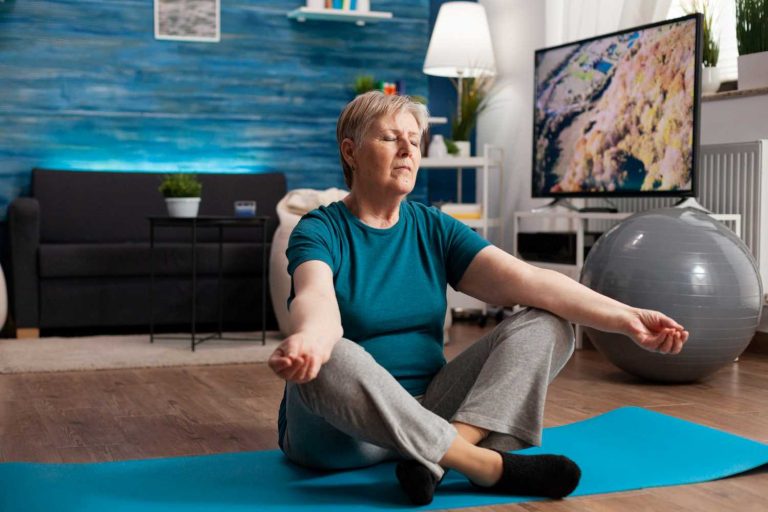
Support digestion naturally. A gentle walk after dinner, peppermint or chamomile tea, and slow breathing can help the body transition into rest.
Conclusion
Christmas eating habits are closely associated with ideas such as comfort, tradition and bonding. However, your midlife body may crave something more of a lighter approach. To know how Christmas food affects sleep for the over 45s, you can make decisions that respect both celebration and rest.
However, keep in mind, making a few changes in your diet can lead to significant changes in sleeping better.
Click on the links below to do a quick quiz and you’ll discover your sleep patterns.