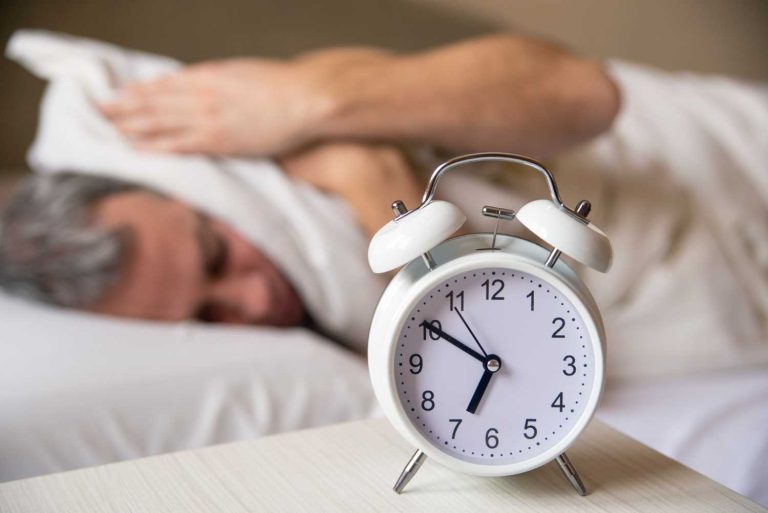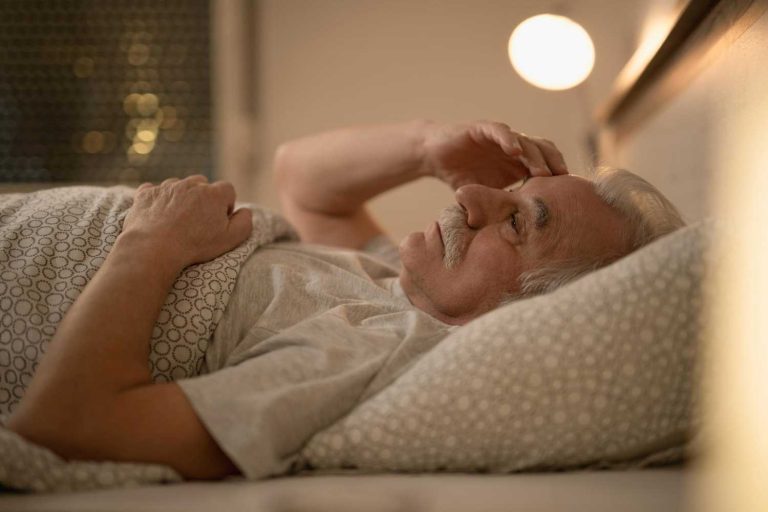

For many adults, drinking alcohol is an easy way to relax. Having a glass of wine with dinner, an after dinner drink, or it could be a celebration drink to share with friends, and nothing to be alarmed about. However, for people over 45, the link” by alcohol and sleep may occur in ways that sometimes seem confusing and frustrating to you.
If you have ever nodded off quickly after a drink, just to awaken intermittently throughout the night or feel tired the next morning despite a full night’s sleep, it may be indicative of an underlying problem the next morning, you are not imagining things.
The interesting thing is, the link between alcohol and sleep start acting as a disruption in midlife, even when drinking habits have not changed.
Causes & Factors: How 45+ Makes a Big Difference
Alcohol first has a sedative effect on the brain, slowing it down and making it easier to fall asleep. However, this effect wears off quickly. As the body begins to metabolize alcohol, sleep becomes lighter and more fragmented.
After 45, the liver processes alcohol more slowly. This means alcohol stays in the body system longer, interfering with natural sleep cycles. REM sleep, which supports memory, emotional balance, and mental clarity, is significantly reduced. Deep sleep also becomes shorter, leaving the body less restored.
Alcohol also increases night time awakenings. It raises heart rate and body temperature. Both of these, make sustained sleep harder to maintain. Hormonal changes in midlife can amplify these effects, leading to early waking and restless sleep.
Alcohol, Snoring and Sleep Disruption
One of the lesser-known truths about alcohol and sleep is its strong link to snoring. Alcohol relaxes the muscles of the throat and air passages. While this relaxation may feel calming initially, this may cause the air passage to narrow during sleep.
For adults over 45, muscle tone naturally decreases with age. When alcohol is added, the airway becomes more likely to vibrate as air passes through, resulting in louder and more frequent snoring. This does not only disrupts your own sleep but can also disturb a partner’s rest. Resulting in increasing stress, fragmented and disruptive sleep for both.
Alcohol-related snoring is often worse in the second half of the night, once the sedation effects wear off and the body then enters lighter stages of sleep.
Alcohol and Sleep Apnea: A Hidden Risk
Alcohol and sleep apnea have a particularly concerning relationship. Sleep Apnea occurs when breathing repeatedly stops and starts during your sleep. Alcohol relaxes the airway muscles further, increasing the likelihood of airway collapse.
For people with undiagnosed or mild Sleep Apnea, alcohol can significantly worsen symptoms. Breathing pauses may last longer, oxygen levels may drop further and the body may wake more frequently to restore breathing.
The Sleep Foundation and Mayo Clinic both report that alcohol increases the severity of obstructive Sleep Apnea, particularly in older adults. Over time, this can contribute to daytime fatigue or tiredness, mood changes and increased cardiovascular risk.
If you snore loudly, and wake up gasping for air, or feel unrefreshed despite enough sleep, alcohol may be masking or worsening an underlying sleep-breathing condition.
It is important to consult a medical professional if this is the case.
Gentle Ways to Support Better Sleep
Bare in mind: the goal is not judgement or restriction, but awareness. Understanding how alcohol and sleep interact allows you to make choices that protect your rest.
– Consider timing first
Drinking earlier in the evening gives your body more time to metabolize alcohol before bedtime.
Even shifting drinks one to two hours earlier can improve sleep quality.
– Moderation matters more after 45
Smaller quantities of alcohol can have a bigger impact on sleep than they once did. Alternating alcoholic drinks with water could help one reduce overall intake without feeling deprived.
– Create a calming bedtime buffer
Gentle rituals such as stretching, slow breathing or reading help the nervous system
wind down naturally.
– Support your airway at night
Try sleeping on your one side, keeping the bedroom cool and maintaining a healthy bedtime routine can help reduce alcohol related snoring and breathing disturbances.
Expert Insight: What does Research Show
According to the Sleep Foundation, alcohol consistently reduces sleep quality by suppressing REM sleep and increasing fragmentation, especially in older adults.
Harvard Health highlights that alcohol-related sleep problems worsen with age due to slower metabolism and increased sensitivity of the nervous system.
The Mayo Clinic also reports that alcohol can worsen insomnia, snoring, and obstructive Sleep Apnea, even in people who do not consider themselves heavy drinkers.
Conclusion
Alcohol may promise relaxation, but its hidden impact on sleep becomes clearer with age. The effect it has on sleep quality, snoring, and Sleep Apnea mean that alcohol and sleep are far more closely linked than many realize.
By understanding these realities, you can make gentle, informed choices that support deeper rest and healthier mornings.