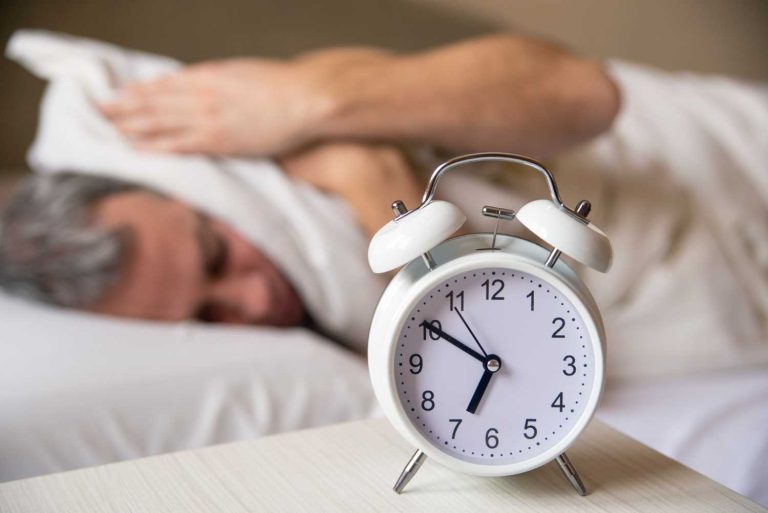

Sleep used to come naturally. You went to bed and as you usually did, woke up reasonably refreshed. But sometime after 40, things changed. This could be due to hormonal sleep disruption. Maybe now you lie wide awake at 2 a.m., or toss between hot and cold. Perhaps your mind races even when you’re exhausted.
If this sounds familiar, you’re experiencing what countless others face, too: the ways in which hormones disrupt sleep after 40.
For men and women alike, midlife brings a shift in hormonal rhythms that once dictated smooth, predictable patterns of sleep. It is not a personal failure, and it is not “just stress”, it is biology. The key is to understand what hormonal sleep disruption is, what is changing, why it is happening, and what easy steps can help restore the rest your body craves.
Why Hormones Change Sleep After 40
Your body depends on a sensitive hormonal orchestra to signal sleep. Two of the major players are melatonin, responsible for sleep onset, and cortisol, responsible for wakefulness. In your twenties and thirties, these hormones often follow a neat pattern. But after 40, the rhythm begins to shift.
1. Melatonin Levels Decline
Melatonin levels naturally decrease with age. Thus,
- You may fall asleep later than you used to
- Sleep is lighter
- The frequency of night-time wakening increases
2. Changes in Temperature Regulation
For women Oestrogen and progesterone and for men testosterone help regulate body temperature. As these shift, you may experience:
- Night sweats
- Sudden surges of heat
- Chills that interfere with sleep
Even slight fluctuations pull you abruptly out of deep sleep.
3. Cortisol Becomes More Reactive
Cortisol, your stress hormone, tends to spike earlier or more sharply in midlife. That’s why:
- You may wake up at 3 a.m. thinking about tomorrow
- Stress feels more “physical”
- Your mind feels busy even when your body is tired
Hormonal changes, associated with perimenopause, menopause, and andropause, significantly raise night-time awakenings and reduce restorative slow-wave sleep.
Emotional Impact of Hormonal Sleep Disruption
It’s not just your body that feels these changes, your emotional world does, too. When sleep fractures, your resilience dips. Small things feel bigger. Decisions feel heavier. You may notice:
- Irritability
- Emotional sensitivity
- Reduced motivation
- Feeling “wired but tired”
This is not a lack of willpower. With hormonal sleep disruption after 40, the emotional brain becomes more active at night and less stable during the day.
The key is learning what your body is asking for: softness, rhythm, small supportive rituals.
What You Can Do: Gentle, Effective Strategies That Help
The solution isn’t pushing harder to sleep, but creating the right environment for sleep to come naturally again once hormonal sleep disruption hits you.
1. Support Your Evening ‘Wind Down’
Design a gentle pre-sleep routine that signals safety to your nervous system:
- Dim lights 60 minutes before bed
- Drink herbal teas like chamomile, valerian root, or passionflower
- Avoid screens, especially scrolling
- Take a magnesium supplement; the glycinate form is best tolerated.
2. Keep Your Room Cool
A temperature of (16-19°C / 60-66°F ) supports deeper sleep and reduces night sweats or heat spikes.
3. Balance Blood Sugar in the Evenings
A snack rich in protein may prevent 3 a.m. cortisol surges associated with drops in blood sugar.
4. Try some light movement during the day
Gentle walking, stretching, or yoga improves the regulation of hormones and advances more stable sleeping cycles.
5. Light Therapy
Morning light exposure really serves to reset melatonin & cortisol balance and supports a smoother circadian rhythm.
You’re Not “Losing Sleep” – You’re Entering a New Rhythm
Midlife may mark a change in how your body sleeps, but it also marks the beginning of a wiser, more intentional relationship with rest.
When you experience hormonal sleep disruption after 40, your body isn’t breaking, it’s just recalibrating. With the correct support, your nights can become calm, steady, and deeply renewing again.
Take your time. Be gentle with yourself. And know that better sleep isn’t behind you, it’s absolutely ahead.