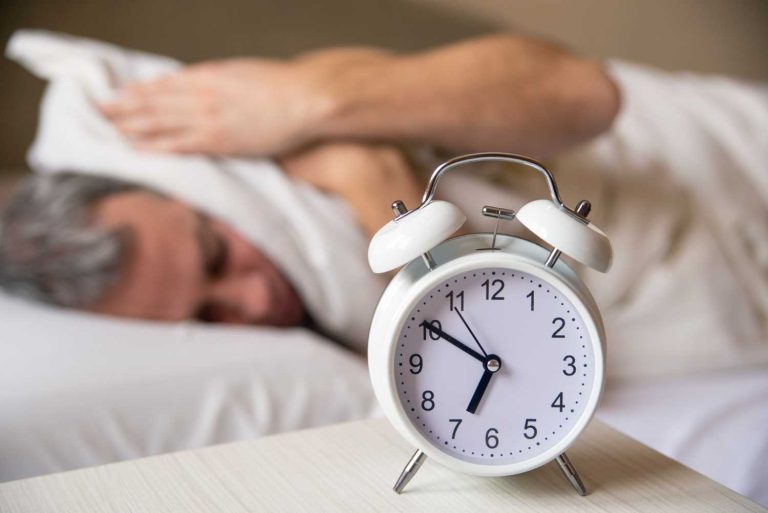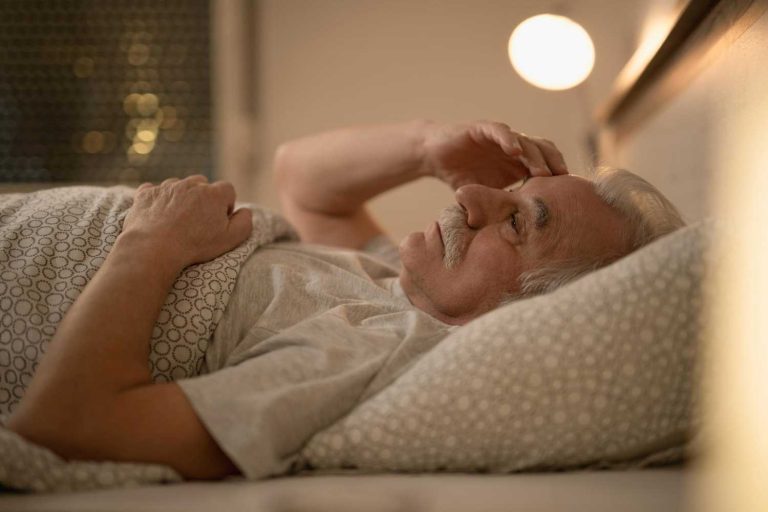

Christmas decorations bring warmth and joy, yet for many adults over 45 they also bring subtle changes to sleep. Bedtimes drift later, nights feel lighter and mornings arrive before the body feels ready.
Our senses and sleep rhythms become more sensitive with age and festive visuals can affect one’s rest more than expected.
Below are 10 gentle, research-informed explanations of how Christmas decorations affect sleep, expanded to support deeper understanding and easy guidance.
1. Bright Flashing Lights Stimulate the Brain
Flashing LEDs and bright colours stimulate the alert centres of the brain. Adults over 45 already experience lighter sleep and reduced melatonin production, so added light exposure in the evening can delay sleep onset.
Even subtle ambient lighting from another room can keep the mind in “wake mode.”
Tip: Warm, steady lights are best. Switch off all festive lighting at least an hour before bedtime.
2. Christmas Decorations Extend Evening Activity
Decorations invite longer evenings filled with wrapping, socialising, organising, or simply sitting in the glow of the season.
Yet midlife sleep relies on consistency. Small shifts in bedtime, even by 30 minutes, can affect depth and quality of sleep.
Tip: Create an evening boundary by dimming lights and reducing stimulation earlier.
3. Festive Smells Can Overstimulate the Nervous System
Seasonal scents like cinnamon, pine, or spiced blends create atmosphere but can overstimulate human senses.
Artificial scents in particular can cause headaches, restlessness, or irritation.
Tip: Use natural essential oils sparingly and avoid strong scents near bedtime.
4. Visual Clutter Creates Mental Clutter
Decorations can easily fill up the usually clear surfaces and corners. Even when beautiful, this elevated level of visual intake makes it more difficult for the brain to settle.
Adults over 45 tend to experience heightened responses to clutter and sensory overload, which elevates cortisol levels. Bedroom clutter should be eliminated.
Tip: Keep your bedroom free of Christmas decorations and keep it as a calm zone.
5. Higher Levels of Light Displace the Body Clock
Holiday lighting keeps homes brighter longer. Evening light exposure delays melatonin release and shifts the circadian rhythm.
Blue‑toned lights are particularly disruptive for midlife adults who already have more fragile sleep cycles.
Tip: Use warm, low‑brightness lighting in the evening.
6. Christmas Decorations Trigger Emotional Memories
Ornaments often carry sentimental meaning, evoking nostalgia, longing, joy, or sadness. Not only ornaments but also generally the Christmas season itself, brings on all kinds of emotions.
These emotions tend to arise at night when the mind becomes quieter, making sleep more fragile and you may need a few more gentle ways to settle the mind.
Tip: Allow a gentle reflection ritual in the evening, such as journaling or mindful breathing.
7. Adrenaline due to Festive Excitement
The continuing stimulation of the season increases subtle levels of adrenaline.
Because adults over 45 metabolise adrenaline more slowly, this activation can continue into bedtime, creating difficulty unwinding.
Tip: Guard the final hour of your evening with soothing sensory prompts.
8. Fireworks and Outdoor Displays Disturb Deep Sleep
Noise and bright flashes interfere with deep stages of sleep. These disturbances fragment sleep quality even if you do not wake up completely. Deep sleep naturally declines with age, making interruptions more impactful.
Tip: Use earplugs, white noise, or blackout curtains on nights with higher than usual activity.
9. Late‑Night Decorating Reinforces Activity Mode
Decorating often happens at night, when families are home. This conditions the brain to associate nighttime with activity, decision‑making and stimulation, making it harder to shift into rest mode afterwards.
Tip: If possible, do your Christmas decorations earlier in the day.
10. End‑of‑Season Fatigue Heightens Sensitivity
With each day of December, emotional and physical loads build up.
This increases sensitivity to light, noise, scent and visual stimulation, making festive decor feel overwhelming by the end of the season.
Tip: Simplify decor as the month continues and prioritise recovery nights.
Expert Insight
Research from the Sleep Foundation and Harvard Health shows that adults over 45 experience lighter sleep, reduced melatonin production and increased sensitivity to environmental stimulation. This makes festive decor more influential than expected.
Practical Ways to Restore Calm
- Keep evening lighting warm and minimal
- Keep the bedroom uncluttered and undecorated
- Turn off lights 60 minutes before bedtime
- Minimize strong fragrances in the evening
- Create a small wind‑down ritual
- Protect quieter nights for deeper rest
In Conclusion
Festive decorations add beauty and warmth but quietly disrupt sleep. With mindful adjustments, it is possible to enjoy the season while supporting the deep, restorative rest that becomes even more essential after 45.