
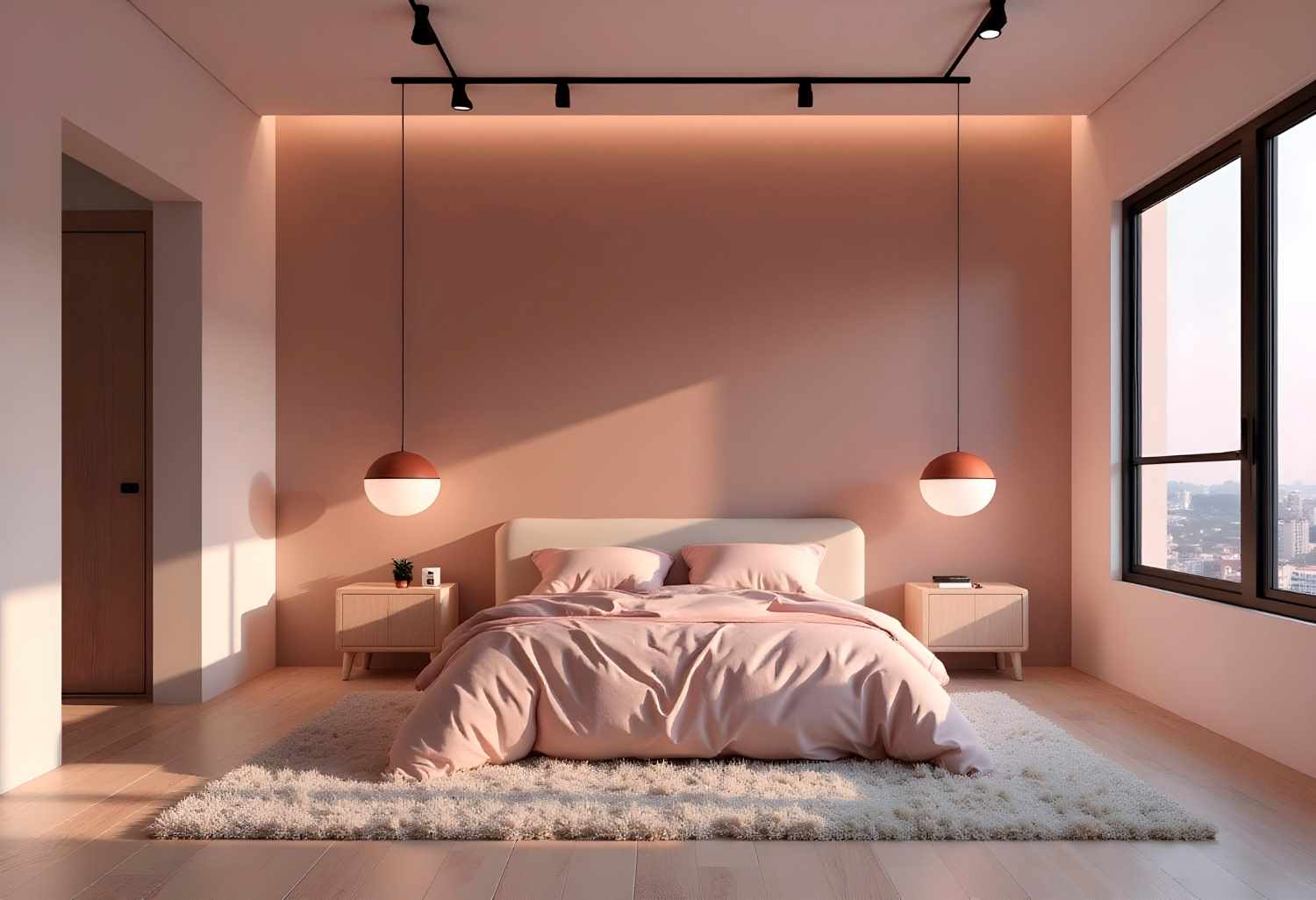
The majority of people believe that sleep problems start either in the mind or the body. When actually the real culprit can be, your sleep environment. That’s right, the room where you sleep.
Your bedroom may appear comfortable, but little details may silently disrupt your rest. For people over 45, these environmental triggers become more influential as the body becomes more sensitive to light, changes in temperature, clutter and noise.
The good news! Yes, there is good news… Once you understand what’s really happening, you can make simple, inexpensive changes that transform your sleep almost instantly.
Your Brain Always Scans the Room
Yes, your brain scans the room, even when you’re asleep!
We believe that we “switch off” at night, but our brains never truly stop paying attention. Our brains are always on the lookout for danger or stimulation. If your bedroom is cluttered, bright, warm, or noisy, the brain is never quite turned off. Thus, failing to usher in deep, quality sleep.
Researchers at Harvard Medical School report that environmental factors influence sleep just as strongly as hormones, particularly in midlife. In short: your bedroom is talking to your nervous system and your nervous system is paying attention.
1. Light: Your Hidden Sleep Disruptor
Even a little light from a charger, an all-night lamp in the hall, or a streetlight outside interferes with melatonin production. Past age 40, natural melatonin levels decrease, leaving the brain much more vulnerable to light exposure.
Change your sleep environment and try the following:
- Blackout curtains
- Small Light Emitting Diode coverages
- Changing over to warm amber bulbs
- Avoiding bright overhead lighting in the evening
Warm, low light tells your brain that it’s safe to power down.
2. Temperature: Too Warm = Restless Sleep
Midlife bodies often have more difficulty regulating temperature. Perimenopause, menopause, and andropause easily lead to night sweats, overheating and sudden awakenings when the room is too warm.
So what’s the optimal sleep environment temperature? Answer: 16-19°C / 60-66°F.
You can also try:
- Breathable bedding
- Layered blankets
- Cooling mattress toppers
A cooler bedroom supports deeper sleep cycles.
3. Clutter: The Silent Stress Signal
Clutter isn’t just visual mess; it’s mental noise. Studies have shown that bedrooms with visible clutter lead to higher cortisol levels and increased bedtime restlessness.
Now ask yourself the following:
- Is my bedroom a sanctuary or a storage room?
- Do I see piles of clothes, paperwork, or tech devices?
- Does the room feel peaceful when I walk into it?
Even 5 minutes of decluttering each night can dramatically calm the mind.

4. Noise: The Sleep Fragmenter
Even if you don’t wake fully, small noises can pull you out of deeper stages of sleep. Sleep generally becomes lighter as we get older and we become more sensitive to disruption.
Try this:
- White noise or soft nature sounds
- Closing doors and windows
- Wearing soft earplugs
- Textiles to absorb noise: curtains, rugs
Truth: Consistency of sound is more important than silence.
Read more: Noise can harm your sleep
5. Bedroom Purpose: Your Brain Needs Clear Boundaries
If your bedroom is also a place where you work, or do laundry, or even hang out, then your brain won’t associate it with sleep.
The concept should be simple:
The bedroom is for sleep, intimacy and gentle unwinding and nothing else.
Creating this separation helps the mind relax the moment you walk through the door to enter the room.
Your Bedroom Should Be a Sanctuary, Not a Stimulus
Your bedroom has more power over your sleep than most people realize. For midlife sleepers in particular, where hormones already affect rest, the sleep environment becomes a crucial tool or a major obstacle.
The goal isn’t perfection, but a space that feels safe, soft, uncluttered and calming upon entry. Small changes make a major difference. Your bedroom can either keep you awake, or help you drift into deep restorative sleep your body’s been longing for.